

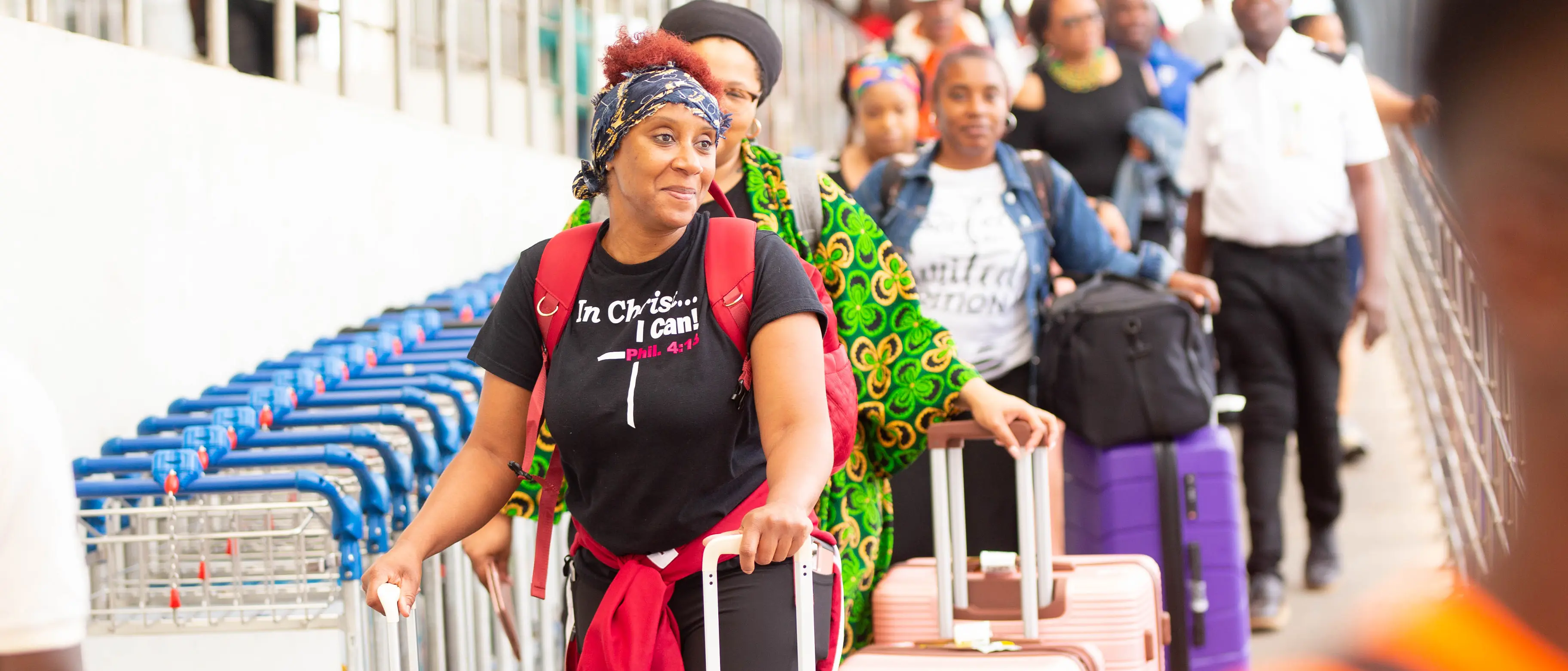
Practical expectations vs myths for first-time visitors
Ghana has become one of the most talked-about destinations for the African diaspora. From the historic Year of Return to the rise of diaspora entrepreneurship and investment, thousands are now visiting, relocating, or exploring opportunities across Accra and beyond.
But while social media often presents a polished, vibrant version of life in Ghana, the real experience requires preparation, patience, and understanding. For many first-time visitors and returnees, the gap between expectation and reality can determine whether their experience feels frustrating or fulfilling.
This reality check is not to discourage travel — far from it. It’s to ensure that when you arrive, you are informed, empowered, and ready to truly connect with Ghana in a meaningful way.
Whether you are visiting for leisure, business, relocation, or investment, here’s what the diaspora should know before arriving in Ghana.
1. Myth: Ghana Is “Cheap” — Reality: Lifestyle Determines Cost
One of the biggest misconceptions is that Ghana is a low-cost destination where your foreign income will stretch easily.
The truth? Ghana can be affordable or expensive depending on your lifestyle.
If you choose a local lifestyle — local markets, local transportation, and modest accommodation — your costs can be reasonable. However, many diaspora visitors prefer a more international standard of living, which comes at a premium.
Expect higher costs for:
- Short-term rentals in prime areas (Airport, Cantonments, East Legon, Labone)
- Imported groceries and international restaurants
- Private transport and ride-hailing
- International schools and luxury services
- Events, nightlife, and networking spaces
In fact, Accra is often ranked among the most expensive cities in West Africa for expatriates.
Reality check:
Ghana is affordable if you live like a local.
Ghana is expensive if you live like you’re abroad.
The key is planning your lifestyle intentionally.
2. Myth: Everything Runs Like the West — Reality: Systems Require Patience
Many diaspora visitors arrive expecting Western-level efficiency in systems and processes. While Ghana is modern and fast-growing, it operates on a different rhythm.
Processes such as:
- Business registration
- Land acquisition
- Utility setup
- Banking
- Government documentation
can take longer than expected.
This does not mean systems are broken — it means they function differently and often require:
- Relationship building
- Follow-ups
- Local guidance
- Patience
Understanding “Ghana time”
Time in Ghana is more fluid than in many Western countries. Meetings may start later than scheduled, and processes may take longer than anticipated.
Rather than seeing this as inefficiency, successful diaspora visitors learn to:
- Build buffer time into schedules
- Confirm appointments ahead
- Stay flexible
- Focus on long-term outcomes rather than speed
Reality check:
Progress happens — but patience and relationships move things faster than pressure.
3. Myth: Relocating or Investing Is Instant — Reality: Soft Landing Matters
Many diasporans visit Ghana intending to relocate, start businesses, or invest immediately. While opportunities are abundant, success often depends on preparation and support systems.
Common mistakes first-time diaspora visitors make:
- Trying to do everything alone
- Rushing into property purchases
- Starting businesses without understanding regulations
- Underestimating cultural differences
- Not building local networks
What works better:
- Visiting first to understand the environment
- Connecting with trusted networks and professionals
- Using soft-landing services
- Taking time to research before committing financially
This is where structured diaspora communities and networks become essential. Having access to guidance, vetted service providers, and experienced returnees can prevent costly mistakes.
Reality check:
Ghana rewards those who take time to understand it before trying to conquer it.
4. Myth: It Will Feel Like “Home” Immediately — Reality: There’s an Adjustment Period
Many diaspora visitors describe arriving in Ghana as an emotional homecoming. However, the experience can be complex.
You may feel:
- A deep sense of belonging
- Cultural pride and connection
- Excitement about being in Africa
But also:
- Culture shock
- Frustration with systems
- Loneliness at times
- Reverse identity questions
This emotional mix is normal.
Understanding identity adjustment
Even if you have African heritage, Ghana has its own distinct cultures, social norms, and expectations. Integration takes time.
Building friendships, professional networks, and community connections is key to feeling grounded.
Reality check:
Ghana can feel like home — but like any home, it takes time to settle in.
5. Myth: Networking Is Easy — Reality: Relationships Are Everything
Ghana thrives on relationships and trust. Opportunities often come through:
- Introductions
- Community connections
- Referrals
- Reputation
While LinkedIn and email matter, personal connections often move things forward faster.
How to build strong networks:
- Attend diaspora and professional events
- Join business and community groups
- Collaborate rather than compete
- Show consistency and reliability
- Invest time in genuine relationships
Networking in Ghana is less transactional and more relational.
Reality check:
Your network in Ghana will shape your experience more than your CV.
6. Myth: Opportunities Are Limited — Reality: Ghana Is a Gateway
Ghana is increasingly positioning itself as a gateway to Africa for the diaspora.
Key opportunity areas:
- Real estate and property development
- Tourism and hospitality
- Agriculture and agribusiness
- Technology and innovation
- Trade and export
- Creative industries
- Education and skills development
The government and private sector are actively encouraging diaspora participation in economic growth.
However, success depends on:
- Understanding local markets
- Partnering with trusted professionals
- Long-term vision rather than quick wins
Reality check:
Ghana offers opportunity — but it rewards strategy, not shortcuts.
7. Practical Tips Before You Visit Ghana
Plan your accommodation wisely
Choose areas based on your goals:
- Business: Airport, Cantonments, Ridge
- Lifestyle: East Legon, Labone, Osu
- Culture & community: Osu, Labadi, Cape Coast
Budget realistically
Account for:
- Transport
- Dining
- Events
- Shopping
- Emergency expenses
Stay connected
Local SIM cards and mobile money are essential for daily life.
Understand transportation
Traffic in Accra can be significant. Plan meetings and movements accordingly.
Respect culture
Ghana is welcoming but values:
- Respect
- Courtesy
- Cultural awareness
- Professionalism
Small gestures of respect go a long way
8. The Role of Community: Why Diaspora Networks Matter
One of the most powerful ways to navigate Ghana successfully is through community.
Diaspora networks provide:
- Trusted information
- Business connections
- Relocation support
- Investment guidance
- Social integration
- Cultural orientation
Instead of navigating blindly, you gain access to people who have already walked the path.
For many, this transforms Ghana from a challenging transition into a thriving opportunity.
9. Final Reality Check: Come Open, Not Perfectly Prepared
Ghana is not perfect. No country is.
But Ghana offers something many diaspora visitors are searching for:
- Connection
- Identity
- Opportunity
- Community
- Growth
The best experiences happen when you arrive:
- Open-minded
- Patient
- Curious
- Ready to learn
- Willing to adapt
Ghana is not just a destination.
For many in the diaspora, it becomes a journey of rediscovery, investment, and belonging.
Thinking About Visiting, Relocating, or Investing in Ghana?
The journey is easier when you don’t do it alone.
The GUBA Diaspora Network (GDN) exists to support diasporans exploring Ghana — whether for travel, business, relocation, or investment. Through trusted connections, guidance, and community, GDN helps bridge the gap between expectation and reality.
Because the goal isn’t just to visit Ghana.
It’s to experience it with clarity, confidence, and connection.